Brewer summary The debate between french press vs pour over comes down to body versus clarity. French press utilizes full immersion and metal mesh filtration to produce a heavy, textured, velvety cup rich in natural coffee oils. Pour over uses gravity percolation and paper filters to remove micro-sediment, delivering tea-like clarity, crisp acidity, and delicate floral notes.
Few debates in the specialty coffee world spark as much passionate discussion as the choice between full immersion and paper percolation. Both methods rely on manual human technique and hot water, yet they produce beverages with radically different sensory identities.
A French press extracts coffee by submerging grounds entirely in water for four to five minutes before pressing a wire mesh screen downward. This process permits insoluble suspended solids and natural diterpene lipids (cafestol and kahweol) to remain in the liquid, creating unmatched tactile richness.
In contrast, a pour over dripper passes hot water downward through a ground coffee bed supported by porous paper. The dense cellulose fibers of paper filters trap almost all coffee oils and silt particles. The resulting beverage resembles a fine translucent broth, highlighting origin nuances that would be completely obscured by the heavy body of a press pot.
- Filtration Difference: French press uses stainless wire mesh allowing oils and silt; pour over uses paper filters capturing all sediment.
- Mouthfeel & Body: French press delivers a thick, velvety mouthfeel; pour over provides a clean, crisp, tea-like lightness.
- Flavor Profile: Press pots accentuate chocolate, caramel, and nutty roasts; pour overs showcase bright citrus, floral, and berry notes.
- Hands-on Attention: French press requires zero active pouring after stirring; pour over demands three minutes of focused pulse technique.
- Cleanup Workflow: Pour over paper filters toss immediately into compost; French press requires scooping wet grounds from a glass beaker.
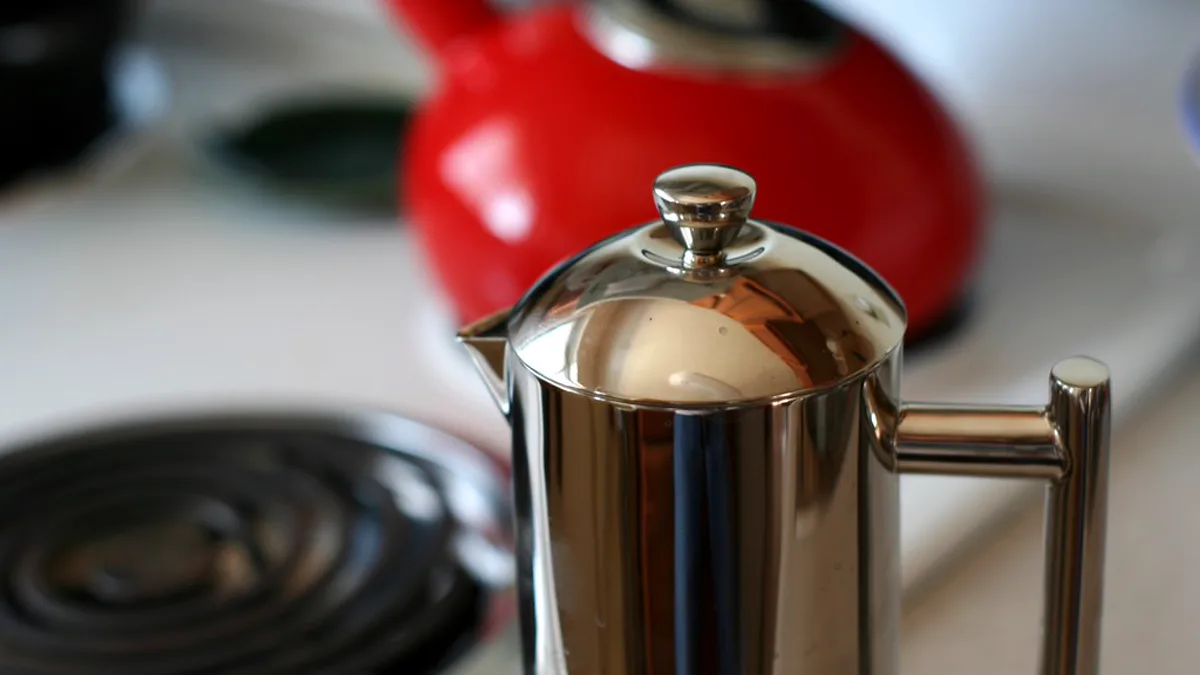
How Do Immersion and Percolation Mechanics Differ in French Press vs Pour Over?
Understanding french press vs pour over brewing begins with fluid dynamics. In a French press, grounds soak in an isothermal water bath where extraction speed decelerates as the water saturates with dissolved solubles. This self-limiting extraction prevents harsh over-extraction even if the steep lasts an extra minute.
Percolation in a pour over relies on a continuous concentration gradient. Fresh, un-saturated water enters the top of the bed continually, dissolving chemical compounds with relentless efficiency. This makes pour overs highly responsive to pouring technique, requiring steady concentric pulses to avoid channeling.
Because water passes through the bed continuously, grind consistency is far more critical in pour over brewing. A few fine dust particles can clog filter pores, stalling drawdown and turning the cup intensely bitter. Understanding these mechanics expands upon foundational French press coffee ratio guidance and broader coffee brewing standards.
Immersion also exhibits a steady decline in brewing temperature unless the beaker is insulated. Most glass press carafes drop fifteen to twenty degrees Fahrenheit during the steep, which softens extraction and curbs high-temperature bitterness naturally.
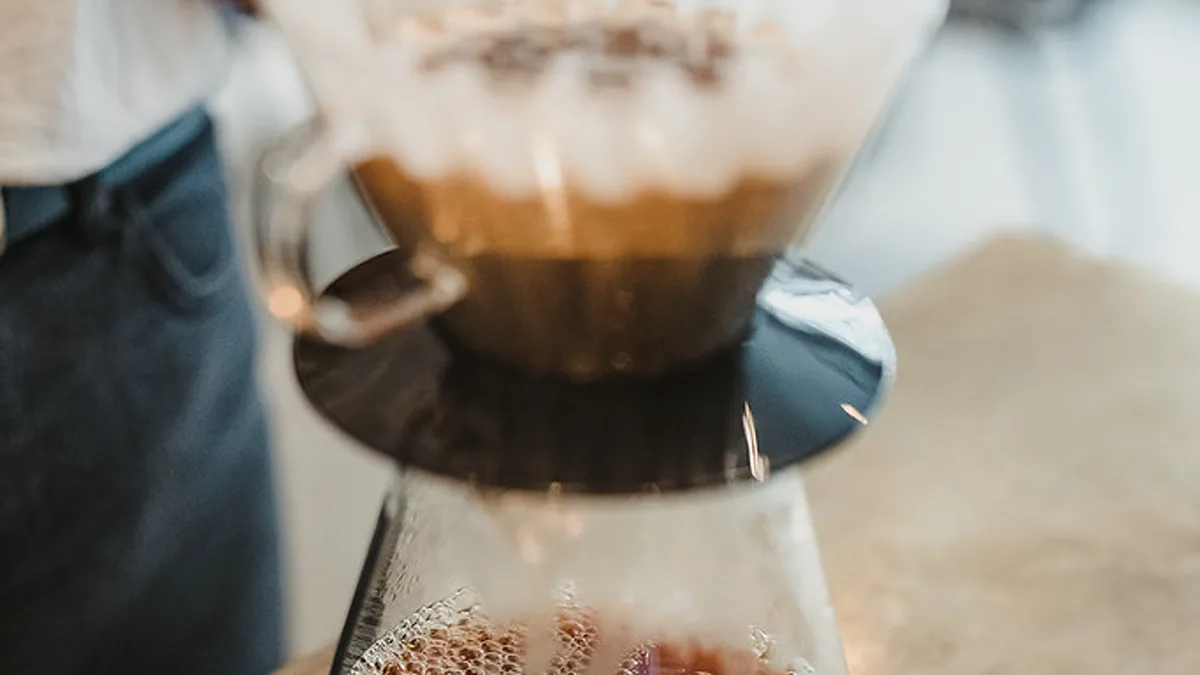
Head-to-Head Comparison Table: French Press Versus Pour Over
Compare key operational metrics, sensory traits, and equipment requirements between both manual brewing devices:
| Evaluation Parameter | French Press (Immersion) | Pour Over Dripper (Percolation) | Advantage / Winner |
|---|---|---|---|
| Flavor Profile | Earthy, dark chocolate, smoky sweetness | Crisp citrus, jasmine floral, berry sweetness | Subjective (Origin dependent) |
| Mouthfeel & Viscosity | Heavy, velvety, full-bodied mouthfeel | Light, delicate, tea-like elegance | French Press for richness |
| Sediment & Clarity | Noticeable fine micro-silt at cup bottom | Crystal clear, zero silt or oil drops | Pour Over for clarity |
| Equipment Investment | Simple glass beaker and mesh plunger | Dripper, paper filters, gooseneck kettle | French Press (Budget friendly) |
| Technique Sensitivity | Forgiving of pour speed and grind drift | Demands precise scale and pouring rhythm | French Press for ease |
| Post-Brew Cleanup | Requires scooping grounds from beaker | Lift and discard paper filter in seconds | Pour Over for convenience |
Source: Specialty Coffee Association (SCA) Comparative Sensory Evaluation Protocols (reviewed October 2026).
How Do Paper Filters and Wire Mesh Affect Coffee Lipids and Health?
The choice of filter material impacts more than just taste; it alters the biochemical composition of your morning drink. Coffee beans contain naturally occurring diterpenes, primarily cafestol and kahweol, which reside inside the lipid fraction of roasted beans.
When coffee is prepared with a stainless steel wire mesh screen, these diterpenes freely emulsify into the brew. Clinical nutritional studies demonstrate that high regular intake of unfiltered coffee oils can stimulate the LDL receptors in the liver, moderately elevating serum LDL cholesterol levels over sustained periods.
Paper filters act as an ultra-fine lipid barrier. The tight cellulose web absorbs virtually all cafestol and kahweol droplets before they reach the decanter. For individuals managing cardiovascular wellness or cholesterol markers, pour over brewing represents a scientifically cleaner nutritional choice without sacrificing aromatic pleasure.
From a sensory standpoint, those same oils carry deep, lip-smacking cocoa and caramelized notes that coat the palate long after swallowing. If you appreciate the tactile sensation of heavy cream or dark melted chocolate in your coffee, French press remains the champion of natural mouthfeel.
Which Coffee Bean Roast Levels Excel in Each Brewing Method?
Matching roast profile to extraction style elevates your daily coffee experience. Dark and medium-dark roasted beans from Sumatra, Brazil, or Colombia shine in a French press because heavy immersion rounds out smoky carbon notes and emphasizes molasses sweetness.
Conversely, light and medium-light roasted single-origin coffees from Ethiopia, Kenya, or Panama excel in a pour over dripper. The paper filtration allows delicate malic and citric acids to sparkle, revealing jasmine florality, bergamot citrus, and honey undertones that get lost in dense press pots.
If you enjoy adding whole milk, oat creamer, or spices to your morning cup, the French press provides the robust body required to cut through dairy fats. Pour over coffee is best enjoyed completely black to appreciate subtle agricultural terroir.
In addition, natural processed coffees with heavy fermented fruit profiles often show surprising complexity in a French press, where immersion tempers boozy acidity into smooth strawberry or blueberry jam sweetness.
Five Steps to Choose the Right Brewing Device for Your Routine
Deciding which brewer fits your lifestyle depends on morning schedule, sensory preferences, and kitchen setup. Follow these five practical steps to make an informed choice:
- Assess Morning Time Limits: If you need to brew multi-cup batches hands-free while preparing breakfast, choose the forgiving French press.
- Evaluate Palate Sensitivity: If you dislike silt texture and prefer crisp fruit-forward flavors, invest in a conical pour over dripper.
- Consider Kitchen Accessories: Pour over requires a gooseneck kettle and gram scale; French press can be brewed successfully with a standard kettle.
- Examine Serving Capacity: A one-liter French press serves three people at once; single-cone pour overs typically brew one mug at a time.
- Account for Cleanup Preference: If cleaning grounds from glass carafes annoys you, the instant disposal of pour over paper filters will delight you.
Can You Combine Both Worlds with Hybrid Coffee Brewers?
For coffee enthusiasts who refuse to compromise between body and clarity, hybrid brewers offer an ingenious compromise. Devices like the Clever Coffee Dripper and Hario Switch combine full immersion steeping with paper filtration.
In a hybrid dripper, coffee grounds steep in hot water for three minutes behind a sealed silicone valve. Once immersion completes, releasing the valve drains the liquid through a paper filter cone, capturing all grit while preserving deep extraction sweetness.
The AeroPress operates on similar hybrid principles, utilizing brief immersion under light pneumatic pressure through a paper micro-filter. Exploring hybrid tools bridges the gap between classic press pot richness and pour-over cleanliness.
Whichever brewer you select for your morning ritual, adhering to precise gram ratios and fresh whole beans ensures you experience the absolute pinnacle of specialty coffee flavor.
Proper equipment maintenance also plays a role in daily taste quality. Washing your French press filter mesh thoroughly with hot soapy water after each use prevents stale rancid oils from tainting your next morning extraction.
Frequently Asked Questions
Is pour over coffee healthier than French press coffee?
Paper filters in pour over brewers trap cafestol and kahweol, natural coffee oils known to raise LDL cholesterol in sensitive individuals. Pour over is often recommended for people monitoring heart health.
Why does my French press coffee have muddy sludge at the bottom?
Metal mesh filters allow microscopic coffee fines to pass into the cup. Pouring gently and leaving the final half-ounce of liquid in the press pot keeps sludge out of your mug.
Can I use pour over ground coffee in a French press?
No. Pour over grind is medium-fine and will slip through the wire mesh screen, producing a murky, over-extracted beverage that clogs the plunger.
Does pour over take longer to brew than French press?
Both take about four minutes total, but pour over requires active hands-on pouring while French press steeps passively without human intervention.
Which method makes hotter coffee?
French press carafes lose heat during the four-minute open steep. Pouring directly from a hot gooseneck kettle through a pre-heated ceramic dripper yields a slightly hotter cup.
How we researched this: Brewing metrics follow established Specialty Coffee Association protocols and blind sensory testing on multiple roast profiles. An AI tool drafted the initial structure, and the writer verified every ratio and step.