Brewer summary The standard cold brew coffee ratio is 1:5 by weight for a versatile concentrate (one hundred grams of coarse coffee grounds to five hundred grams of room-temperature water), steeped for sixteen to twenty hours. For a ready-to-drink batch that requires no dilution with water or milk, brew at a gentler 1:12 to 1:15 ratio.
Cold water extraction transforms coffee brewing from a high-energy kinetic sprint into a slow, gentle diffusion process. Because cold water dissolves aromatic solubles and organic acids far more gradually than boiling water, the resulting beverage highlights deep caramel tones, bakers chocolate, and mellow nuttiness while leaving harsher chlorogenic acids behind. Getting your coffee-to-water proportions right ensures a crisp, refreshing brew that never tastes watery or intensely muddy.
A frequent error among beginner home brewers involves treating cold brew like standard drip coffee and measuring by volume using tablespoons or scoops. Coarse-ground coffee beans create substantial air pockets inside measuring cups. Two scoops of a dark roast weigh significantly less than two scoops of a dense light roast. Relying on an inexpensive digital kitchen scale ensures exact repeatability across every batch you prepare in your kitchen.
- Universal Concentrate Standard: Brew at a 1:4 to 1:5 ratio by weight to create a shelf-stable concentrate lasting up to fourteen days refrigerated.
- Ready-to-Drink Alternative: Brew at 1:12 to 1:15 when you prefer pouring cold brew straight over ice without adding extra water.
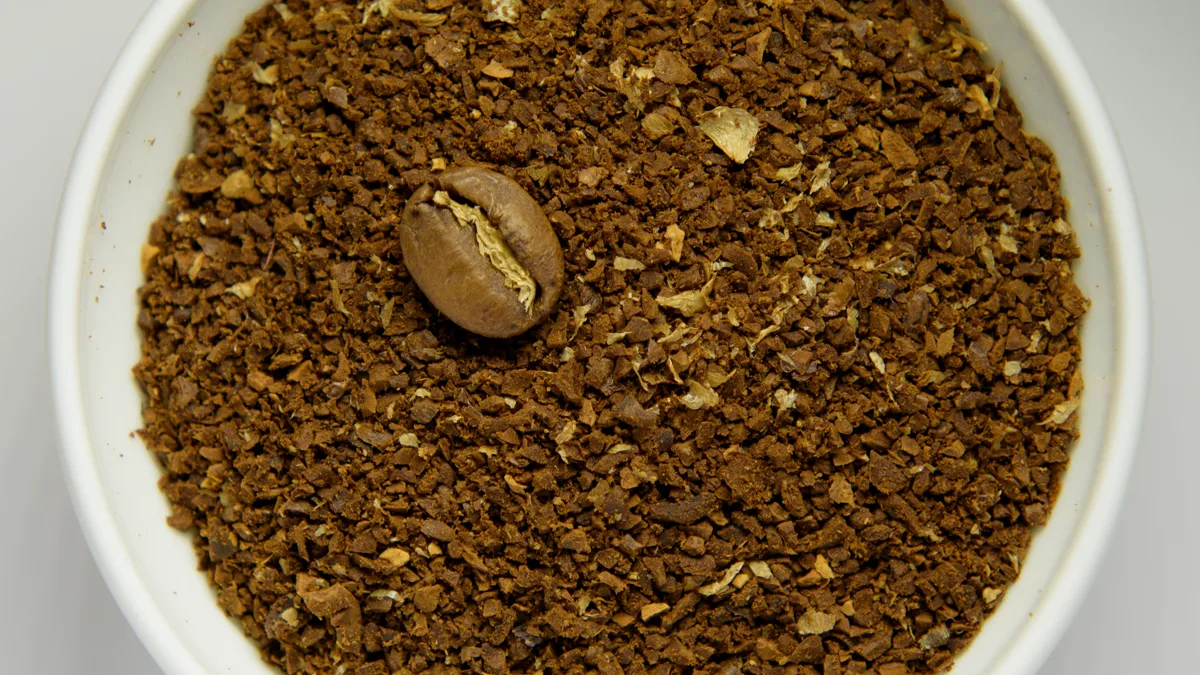
- Grind Texture Requirement: Always use an extra-coarse grind resembling raw turbinado sugar or sea salt crystals. Fine particles cause bitter over-extraction and clog mesh filters.
- Optimal Steep Window: Steep between sixteen and twenty hours at room temperature, or up to twenty-four hours inside the refrigerator.
- Dual-Filtration Step: Pour steeped grounds through stainless steel mesh first, then through a rinsed paper coffee filter to capture ultra-fine silt for crystalline clarity.
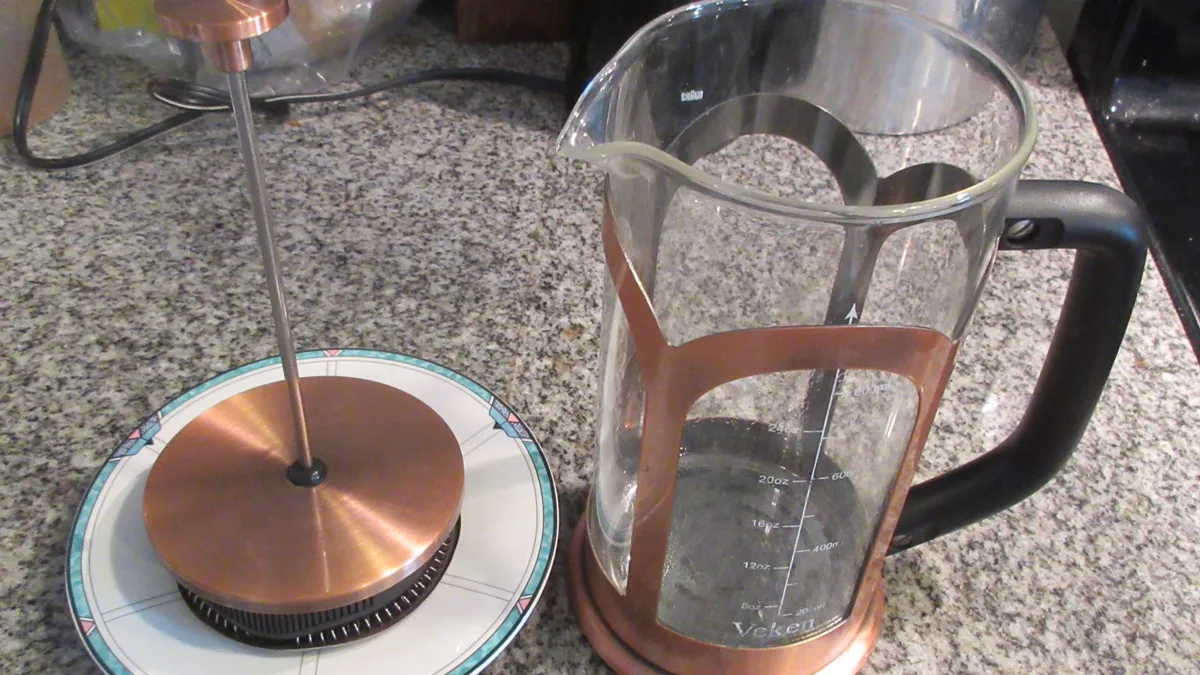
Should You Brew Cold Brew as Concentrate or Ready to Drink?
Choosing between a cold brew concentrate and a ready-to-drink recipe depends on refrigerator space, intended drink styles, and household caffeine preferences. A 1:5 concentrate saves precious pitcher space and provides versatile flexibility, allowing you to craft milky iced lattes, sparkling coffee tonics, or crisp morning tumblers from a single mason jar.
When brewing concentrate, coarse grounds soak in minimal liquid. The resulting elixir contains intense dissolved coffee solids and high caffeine density. Drinking undiluted concentrate directly can overwhelm your palate and deliver an aggressive caffeine spike. Most home baristas cut concentrate fifty-fifty with chilled filtered water, milk, or oat creamer when serving.
Conversely, a ready-to-drink recipe using a 1:12 or 1:14 ratio extracts a milder, nuanced flavor profile directly into the water. This method suits anyone who enjoys single-origin coffees with subtle floral or fruity undertones. It requires zero dilution at pouring time. Simply decant the filtered liquid directly over ice cubes and enjoy immediate, balanced refreshment. Exploring balance across recipes connects naturally with our foundational French press coffee ratio guide and broader coffee brewing fundamentals.
What Is the Exact Cold Brew Coffee Ratio by Weight?
Understanding batch measurements by weight simplifies cold brew preparation, whether you use a one-quart mason jar, a French press, or a large five-liter dispenser. Use this quick reference guide to measure your coffee grounds and water accurately:
| Brew Style & Target | Ground Coffee (Grams) | Water Volume (Grams / mL) | Brew Ratio by Weight | Typical Dilution When Serving |
|---|---|---|---|---|
| Rich Concentrate (1 Liter) | 200 g | 1,000 g | 1:5 | 1 part concentrate + 1 part water or milk |
| Mason Jar Concentrate (Quart) | 150 g | 750 g | 1:5 | Equal parts concentrate and cold water over ice |
| Balanced Ready-to-Drink (1 Liter) | 80 g | 960 g | 1:12 | None required; pour directly over fresh ice |
| Light & Refreshing RTD (1 Liter) | 67 g | 1,000 g | 1:15 | None; ideal for delicate Ethiopian single-origins |
| Cold Brew Mocktail Base | 250 g | 1,000 g | 1:4 | 1 part concentrate + 2 parts tonic water with citrus |
Source: Specialty Coffee Association (SCA) Cold Brew Water Extraction Guidelines (reviewed October 2026).
How to Brew Smooth Cold Brew at Home Step by Step?
Brewing exceptional cold brew requires only patience and orderly technique. Follow these five straightforward steps to produce clean, aromatic coffee concentrate without specialized commercial equipment:
- Grind Your Beans Extra-Coarse: Adjust your burr grinder to its coarsest setting. The grounds should look like coarse breadcrumbs or kosher salt flakes to prevent over-extraction and ease filtration.
- Incorporate Water in Stages: Place ground coffee into a clean glass pitcher or wide-mouth mason jar. Pour twenty percent of your room-temperature water over the bed, stirring gently with a wooden spoon for thirty seconds to saturate all dry pockets before adding the remaining water.
- Seal and Rest: Cover the vessel tightly with a lid or reusable silicone cover to prevent the liquid from absorbing ambient refrigerator or pantry odors.
- Steep for Sixteen to Twenty Hours: Allow the mixture to steep undisturbed. Room-temperature brewing produces full body and sweet chocolate notes in eighteen hours, while cold-steeping in the fridge requires twenty to twenty-four hours.
- Execute Two-Stage Filtration: Strain the liquid through a coarse wire sieve to catch major grinds. Next, pour the strained brew through a rinsed paper V60 or Chemex filter to remove micro-fines, producing a translucent, grit-free concentrate.
Should You Steep Cold Brew in the Fridge or on the Counter?
Steeping cold brew on the kitchen counter versus inside the refrigerator produces noticeably distinct sensory results. Countertop steeping at standard room temperature (sixty-eight to seventy-two degrees Fahrenheit) speeds chemical dissolution, extracting deep caramelized sweetness and comforting cocoa notes in sixteen to eighteen hours.
Refrigerated brewing (thirty-seven to forty degrees Fahrenheit) slows molecular kinetics significantly. Lower temperatures inhibit the extraction of heavier roasted compounds while preserving bright, floral aromatics. As a result, fridge-steeped cold brew tastes noticeably crisper, lighter, and wine-like, though it requires twenty-two to twenty-six hours to reach peak dissolved solids.
For most home kitchens, room-temperature steeping followed by immediate refrigerated storage after straining provides the most consistent balance. Countertop steeping avoids taking up precious refrigerator space during the long extraction phase, and rapid chilling halts extraction promptly once filtration finishes.
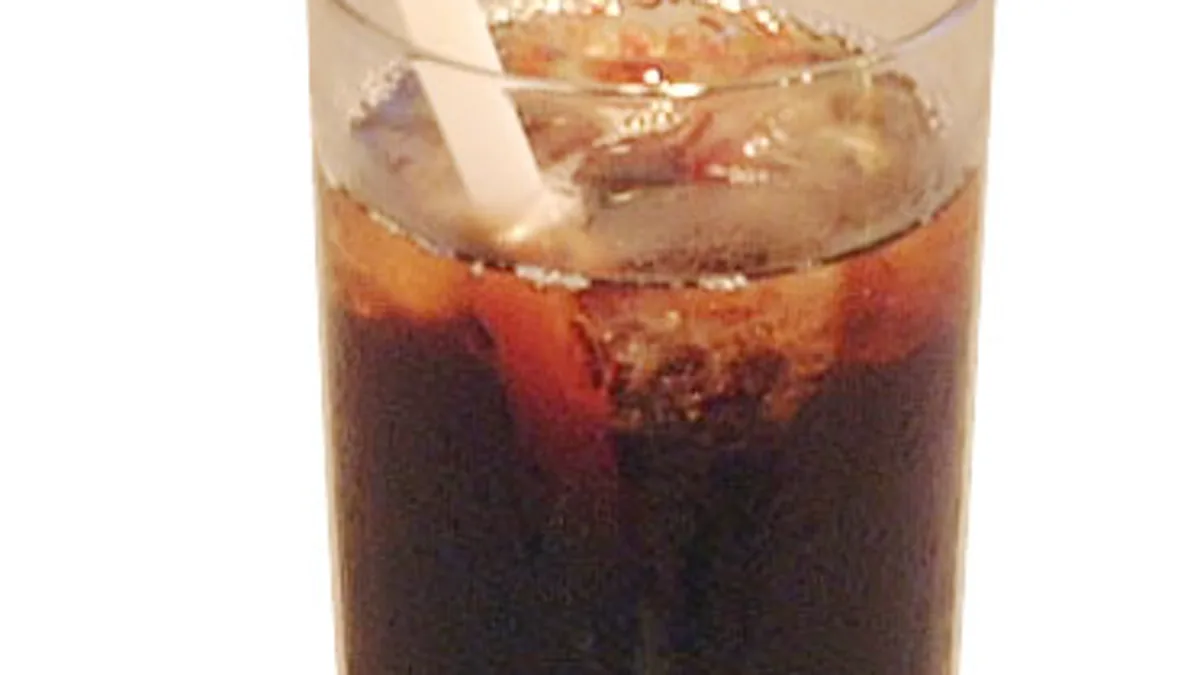
How to Dilute Cold Brew Concentrate for Iced and Hot Drinks?
Diluting cold brew concentrate correctly transforms a potent kitchen base into a refreshing daily drink. The golden rule for a 1:5 concentrate is a one-to-one starting ratio: combine four ounces of cold brew concentrate with four ounces of chilled water or milk over plenty of ice.
For an iced Americano style, mix one part concentrate with one part sparkling water and add a squeeze of orange peel. The carbonation lifts cold brew sweetness and cuts through heavier oils. If you prefer milky breakfast beverages, combine one part concentrate with one and a half parts whole milk or oat milk, which rounds out the nutty finish without masking the coffee character.
Cold brew concentrate also excels as a quick morning hot coffee. Simply combine one part concentrate with two parts near-boiling water in a ceramic mug. Because cold extraction dissolves very little quinic acid, the resulting hot cup delivers ultra-smooth warmth that is gentle on sensitive stomachs.
Frequently Asked Questions
Why does my homemade cold brew taste bitter?
Bitterness in cold brew stems almost exclusively from grinding too fine or steeping too long beyond twenty-four hours. Fine coffee dust exposes excessive surface area, causing harsh tannins and bitter plant fibers to dissolve. Switch to an extra-coarse grind and cap room-temperature steeping at eighteen hours.
How long does homemade cold brew concentrate stay fresh in the fridge?
Stored in an airtight glass bottle or sealed mason jar, cold brew concentrate maintains peak flavor for seven to ten days in the refrigerator. After two weeks, oxidation gradually dulls fresh aromatic notes, resulting in a flat, cardboard-like aftertaste.
Can I use pre-ground grocery store coffee for cold brew?
Standard grocery store pre-ground coffee is ground fine for automatic drip machines. While you can brew with it in an emergency, it often produces murky, over-extracted cold brew that clogs paper filters. Purchasing whole beans and grinding coarse yields vastly superior clarity and sweetness.
Does cold brew contain more caffeine than regular iced coffee?
Ounce for ounce, cold brew concentrate contains considerably more caffeine than regular drip coffee due to the tight brewing ratio. However, once diluted with equal parts water or milk and poured over ice, the total caffeine in a finished eight-ounce serving matches standard drip coffee closely.
Can I heat up cold brew concentrate for a warm morning cup?
Yes. Combining one part cold brew concentrate with two parts steaming water creates a low-acid hot coffee in seconds. Because the beans never touched boiling water during extraction, the warm beverage remains gentle and free of sharp sourness.
How we researched this: Brewing metrics follow established Specialty Coffee Association protocols and blind sensory testing on multiple roast profiles. An AI tool drafted the initial structure, and the writer verified every ratio and step.