Brewer summary The standard universal coffee to water ratio is 1:16 by weight, which translates to sixty grams of ground coffee per one thousand grams of water. For a richer, heavier-bodied cup like French press or immersion AeroPress, use 1:15; for automated drip or delicate pour-overs, brew between 1:16 and 1:17.
Brewing coffee is fundamentally an act of chemical extraction where water acts as a solvent dissolving aromatic compounds, pleasant organic acids, caramel sugars, and bitter plant fibers. The proportion between solute (coffee grounds) and solvent (water) dictates whether your beverage tastes bright and complex or muddy and bitter.
The Specialty Coffee Association established the Golden Cup Standard after decades of rigorous sensory testing across thousands of consumer panels. This standard defines the optimal concentration of dissolved coffee solids between 1.15% and 1.45% on a digital refractometer, which corresponds directly to a brewing ratio between 1:15 and 1:18 by weight.
Measuring coffee with volume tools like scoops and tablespoons produces wild fluctuations because coffee bean density varies up to thirty percent depending on elevation, processing method, and roast depth. Relying on weight measurements ensures exact repeatability across every roast style.
- Universal 1:16 Baseline: Sixty grams of coffee per one liter of water represents the gold standard starting point for manual brewing.
- Weight Over Volume: Always measure both water and dry coffee in grams; volumetric tablespoons are wildly inaccurate due to bean density.
- Immersion vs Percolation: Immersion methods like French press tolerate tighter ratios (1:15) than percolation methods like V60 (1:16 to 1:17).
- Total Dissolved Solids (TDS): The target strength sweet spot sits between 1.2% and 1.4% TDS for clean, aromatic clarity.
- Water Mineral Factor: Balanced water hardness (one hundred twenty to one hundred fifty ppm) is essential to extract target coffee solids.
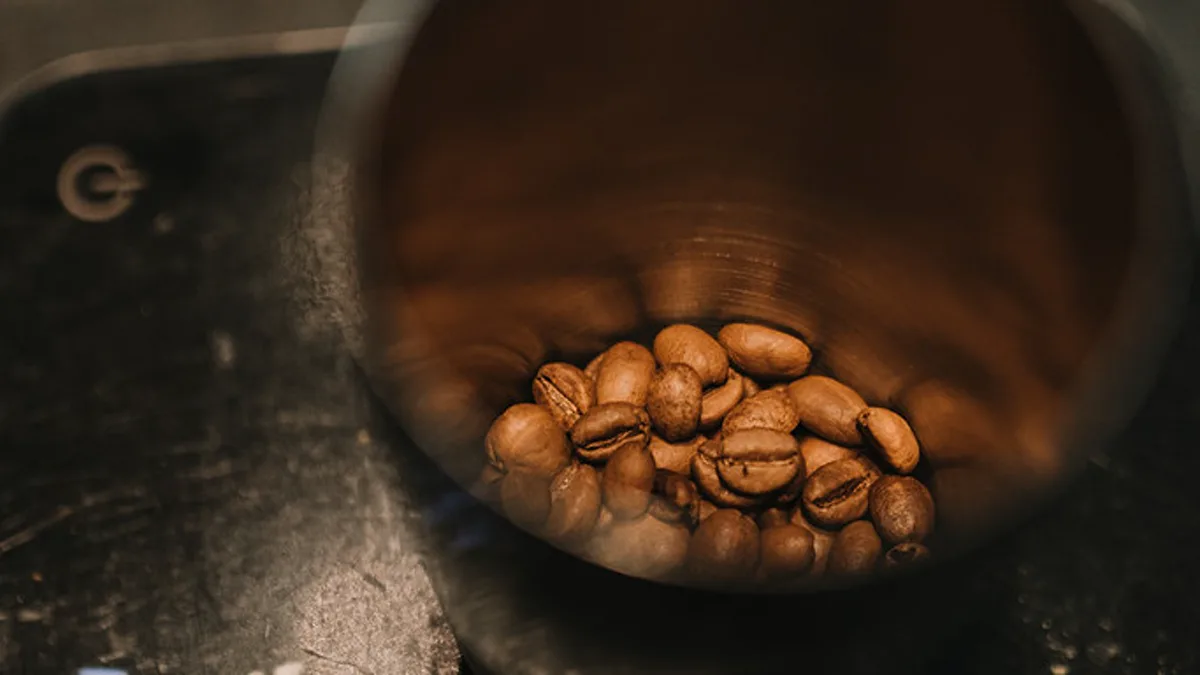
Why Is the Coffee to Water Ratio the Most Decisive Brewing Variable?
The coffee to water ratio determines both the strength of your beverage and the percentage of solids extracted from each individual bean. Strength refers to how concentrated the liquid tastes in your cup, while extraction yield describes how much of the bean mass was dissolved.
When you use too much water relative to coffee (such as 1:20), water over-extracts astringent, harsh polyphenols from deep cellular fibers, leaving a bitter, dry sensation on the sides of your tongue. Conversely, using too little water (like 1:10 without intended dilution) under-extracts, resulting in a sour, salty, and underdeveloped brew.
Mastering your ratio provides an anchor around which all other brewing variables like grind size and water temperature can be adjusted. Exploring these proportions links seamlessly with our pour over coffee ratio guide, building upon core cold brew coffee ratio recipes and overall coffee brewing knowledge.
Understanding extraction dynamics also involves understanding the concept of coffee beverage yield. During percolation, dry coffee grounds retain roughly twice their weight in water. This retained water, known as liquid retained ratio, means that pouring three hundred grams of water over twenty grams of coffee yields approximately two hundred sixty grams of drinkable coffee in your cup.
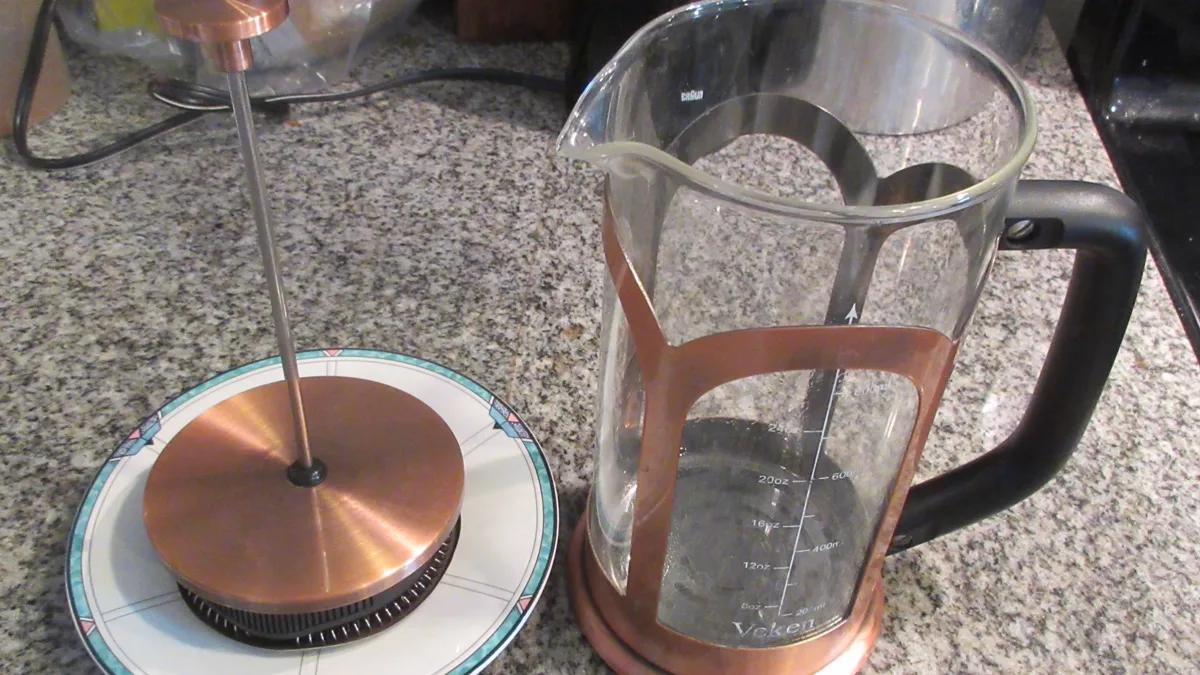
Comparison of Coffee to Water Ratios Across Major Brew Methods
Different brewing devices interact with coffee grounds through distinct fluid mechanics. Use this master ratio guide to calibrate your brewer accurately across all mainstream preparation styles:
| Brewing Device & Method | Recommended Ratio by Weight | Coffee (Grams) | Water (Grams / mL) | Target Flavor Profile |
|---|---|---|---|---|
| Pour Over Cone (V60 / Kalita) | 1:16 to 1:17 | 15 g | 240 g to 255 g | Clean floral acidity, nuanced aromatics, sparkling clarity. |
| French Press (Immersion) | 1:15 to 1:16 | 30 g | 450 g to 480 g | Heavy velvet body, deep cocoa sweetness, rich mouthfeel. |
| AeroPress (Standard Inverted) | 1:12 to 1:14 | 18 g | 220 g to 250 g | Concentrated syrupy body, balanced sweetness, intense finish. |
| Automatic Drip Coffee Maker | 1:16 to 1:17 | 60 g | 1,000 g | Balanced daily morning cup, moderate acidity, smooth profile. |
| Moka Pot (Stovetop) | 1:7 to 1:8 | 20 g | 150 g | Espresso-style viscosity, intense caramel notes, bold finish. |
| Cold Brew Concentrate | 1:5 | 200 g | 1,000 g | Ultra-smooth chocolate base, low acidity, versatile for lattes. |
Source: Specialty Coffee Association (SCA) Brewing Handbook Standards (reviewed October 2026).
How Do You Calculate Coffee Ratios with a Digital Kitchen Scale?
Calculating your brew recipe requires simple division. Decide on your target cup volume in milliliters or grams, then divide by your chosen ratio number to calculate exact coffee weight.
For example, if your favorite ceramic mug holds three hundred grams of water and you choose a 1:16 ratio, divide three hundred by sixteen to get eighteen and three-quarter grams of ground coffee. Tare your scale with the empty filter basket, add grounds until the scale reads nineteen grams, and you are ready to brew.
To calculate in reverse when you only have a fixed amount of coffee beans remaining, multiply bean weight by sixteen. If you have twenty grams of rare single-origin beans left in a bag, multiplying twenty by sixteen dictates three hundred twenty grams of brew water.
Digital kitchen scales with built-in timers offer an invaluable advantage by displaying both brew duration and water mass simultaneously. Tracking your flow rate in grams per second ensures uniform contact time across the entire extraction cycle.
Modern digital barista scales often feature auto-tare and auto-timer initiation modes that sense when the first drop hits the decanter. Maintaining a steady pour rate of four to five grams per second creates the ideal gentle turbulence within the slurry, preventing dry pockets from starving extraction.

How Do Total Dissolved Solids and Extraction Yield Define Coffee Strength?
Two technical parameters govern scientific coffee evaluation: Total Dissolved Solids (TDS) and Extraction Yield. TDS measures the concentration of coffee solubles in the final cup expressed as a percentage. Typical drip coffee contains about 98.6% water and 1.4% dissolved coffee solids.
Extraction yield measures the actual percentage of the dry coffee bean mass that transferred into the brew water. The ideal target range identified by coffee scientists is eighteen to twenty-two percent extraction. Anything below eighteen percent tastes sour and grassy; yields exceeding twenty-two percent taste astringent and woody.
The mathematical connection between these two numbers is simple: Extraction Yield equals the weight of brewed coffee multiplied by TDS percentage, then divided by the dry coffee dose weight. Dialing in your brew ratio allows you to slide smoothly along this extraction curve until you find your sensory balance.
When evaluating your brew at home, you do not necessarily need a four-hundred-dollar optical refractometer. Your taste buds are remarkably sensitive sensors: if the brew coats your tongue with lingering pleasant sweetness and zero dry raspiness on the back palate, your extraction yield sits comfortably within that eighteen to twenty-two percent sweet spot.
Five Steps to Dial In Your Personal Coffee to Water Ratio
Finding your personal sensory sweet spot requires systematic adjustment rather than random recipe changes. Follow these five chronological steps when testing new coffees:
- Establish the 1:16 Baseline: Brew your initial test cup at exactly 1:16 using filtered water heated to two hundred degrees Fahrenheit.
- Evaluate Primary Taste Attributes: Taste the beverage at three temperatures (hot, warm, and cool), noting whether acidity or sweetness dominates.
- Adjust for Light Roasts: If brewing a dense, high-elevation light roast, tighten the ratio to 1:15 to increase body and balance intense lemon acidity.
- Loosen for Dark Roasts: If brewing a dark French or Italian roast, loosen the ratio to 1:17 to tone down smokiness and avoid harsh astringency.
- Lock In Your Metric Recipe: Record your winning bean grams, water weight, and grinder setting in a notebook for repeatable morning perfection.
What Are Common Measuring Mistakes That Ruin Coffee Extraction?
The most widespread error in home coffee preparation is relying on plastic tablespoons or built-in grinder timers. Coffee beans swell and contract based on humidity and roast profile; volumetric measurements can drift by twenty-five percent day to day.
Another common pitfall is measuring water in a standard liquid measuring cup before heating. Boiling causes evaporation loss, meaning three hundred milliliters poured into a kettle may yield only two hundred eighty milliliters onto the coffee bed. Always weigh water in real time as it leaves the kettle spout.
Lastly, ignore device cup markings stamped on glass carafes. In the coffee equipment industry, a cup marking typically denotes five or six fluid ounces (one hundred fifty milliliters) rather than a legal eight-ounce kitchen measuring cup. Weighing everything in grams avoids this metric confusion completely.
Temperature stability during pouring also affects extraction efficiency. Using a pre-heated ceramic server prevents sudden temperature plunges that cause bitter under-extraction during the final third of manual brew drawdown.
In addition, using boiling water directly from a vigorous rolling boil can scorch fine coffee grounds near the slurry surface. Let the kettle rest for thirty to forty-five seconds off the heat, bringing temperature to approximately two hundred to two hundred two degrees Fahrenheit before beginning your initial pour.
Frequently Asked Questions
What is the easiest coffee to water ratio for beginners?
A 1:16 ratio is the easiest starting point for beginners. It balances extraction sweetness and clarity across nearly all coffee varieties and manual brew devices.
How many grams of coffee do I need for a 12-ounce mug?
A twelve-ounce mug holds approximately three hundred fifty-five grams of water. At a 1:16 ratio, you need twenty-two grams of ground coffee.
Does the coffee ratio change if I add milk or oat creamer?
If you plan to add milk, brew slightly tighter at 1:14 or 1:15. A more concentrated coffee base prevents milk from watering down distinct roasted flavors.
Why does my coffee taste sour even though I used the 1:16 ratio?
Sourness indicates under-extraction. If your ratio is correct, your grind size is likely too coarse or your water temperature is too cold; grind finer or raise water heat.
Can I use tap water if I follow the exact gram ratio?
While tap water works, very hard or chlorinated tap water dulls coffee sweetness and masks delicate fruit notes. Filtered tap water delivers significantly cleaner taste.
How we researched this: Brewing metrics follow established Specialty Coffee Association protocols and blind sensory testing on multiple roast profiles. An AI tool drafted the initial structure, and the writer verified every ratio and step.